
Timber Sleepers Aftercare
Practical guidance for caring for timber sleepers, raised beds and garden edging while managing natural weathering and seasonal movement.
Caring for Your Timber Sleepers
Timber sleepers are commonly used for raised beds, retaining features, steps and garden edging. As a natural outdoor material, their appearance and dimensions will change through weathering and seasonal moisture.
Regular inspection, suitable cleaning and protecting the timber from unnecessary moisture and physical damage will support its long-term performance.
The Essentials
Expect Natural Weathering
Colour changes, knots, grain variation and surface checking are normal characteristics of substantial landscape timber.
Manage Moisture
Keep drainage routes clear and avoid allowing unnecessary water, wet leaves or soil to collect over exposed timber surfaces.
Inspect for Movement
Check raised beds, steps and retaining features for significant leaning, bulging or loose components.
Use Suitable Treatments
Only apply cleaners or finishes confirmed as compatible with pressure-treated exterior timber.
How to Clean Timber Sleepers
Gentle cleaning is normally sufficient. Aggressive equipment can raise the grain, mark the timber and damage existing treatments.
Inspect the Structure
Check for instability, loose components or projecting fixings before starting any cleaning.
Clear the Area
Remove plant pots, furniture and loose items where practical and protect nearby planting.
Brush Away Debris
Remove soil, leaves, cobwebs and loose surface material using a non-metallic brush.
Apply a Suitable Cleaner
Use warm mildly soapy water or a specialist cleaner approved for treated exterior timber.
Work With the Grain
Brush gently in the direction of the grain without forcing water into joints, fixings or deep checks.
Rinse and Dry
Rinse with clean water and allow the timber to dry thoroughly before assessing the result or applying a finish.
Splits Can Appear as Large Timbers Dry
Sleepers are substantial sections of natural timber. As moisture leaves the wood, visible checks or splits can develop along the grain.
Minor and moderate surface checking is a normal characteristic and does not automatically mean that the sleeper has failed structurally.
Report a split if it is associated with significant movement, instability, a loose fixing or another immediate safety concern.
Protecting Raised Beds and Edging
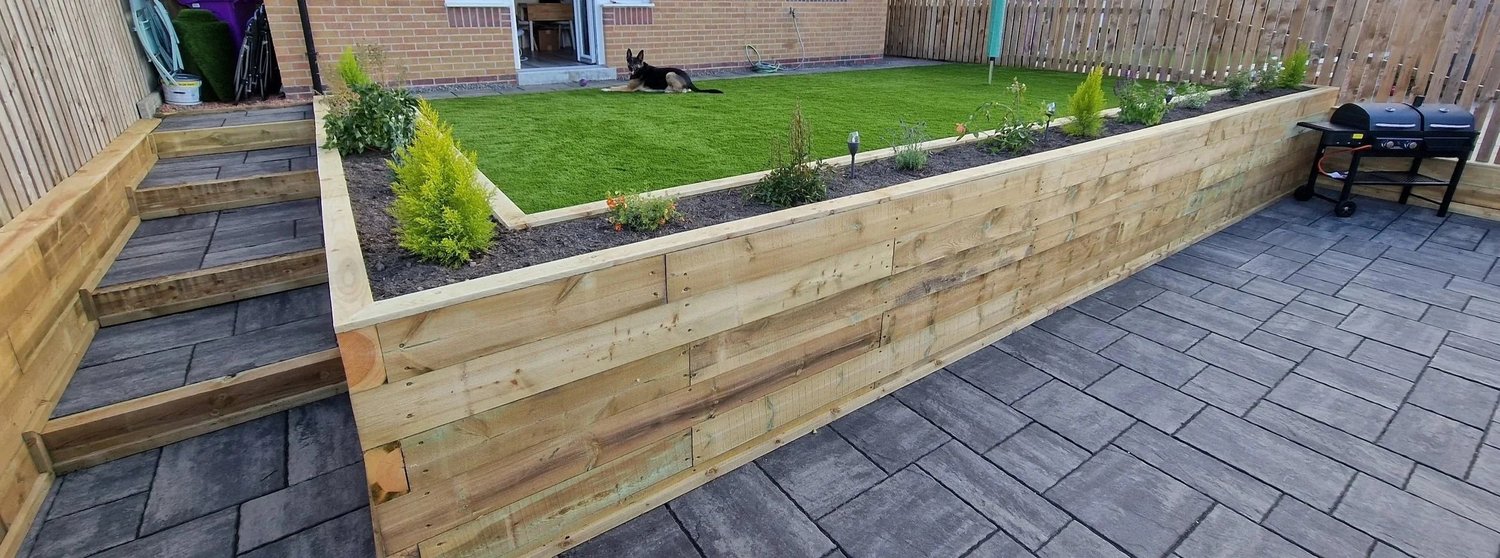
- Remove wet leaves from horizontal timber surfaces.
- Keep exposed joints and drainage routes free from debris.
- Avoid repeatedly directing sprinklers at exposed timber faces.
- Do not raise soil above the designed internal bed level.
- Keep soil and mulch from covering sleeper tops and fixings.
- Protect the timber from strimmers and lawnmowers.
- Do not attach heavy equipment or structures without approval.
- Check for movement after severe weather or ground disturbance.
Changes You May Notice
Each sleeper has an individual grain pattern and will respond differently to sunlight, moisture and temperature.
Colour Fading and Greying
Untreated surfaces will gradually soften in colour and develop a silver-grey appearance through outdoor exposure.
Knots and Grain Variation
Knots, colour differences and changing grain patterns are natural features rather than product defects.
Checks and Splits
Visible checks can develop as thick sections of timber dry and release internal moisture.
Expansion and Contraction
Timber absorbs and releases moisture, causing seasonal changes in its dimensions and surrounding gaps.
Minor Bowing or Twisting
Some movement can occur as individual sleepers respond to outdoor conditions and natural grain tension.
Resin and Treatment Marks
Resin around knots and temporary variations associated with preservative treatment can appear as timber weathers.
Do Not Alter the Designed Soil Levels
Raised beds place timber in regular contact with soil and moisture. Internal soil levels and drainage are considered as part of the original installation.
Do not add excessive soil, heavy structures or large plants that could increase pressure against the sleeper faces without seeking advice.
Avoid blocking drainage routes or allowing water to remain unnecessarily trapped around the sleeper base. Report significant bulging, leaning or continuing movement.
Weathering Is Part of Timber’s Character
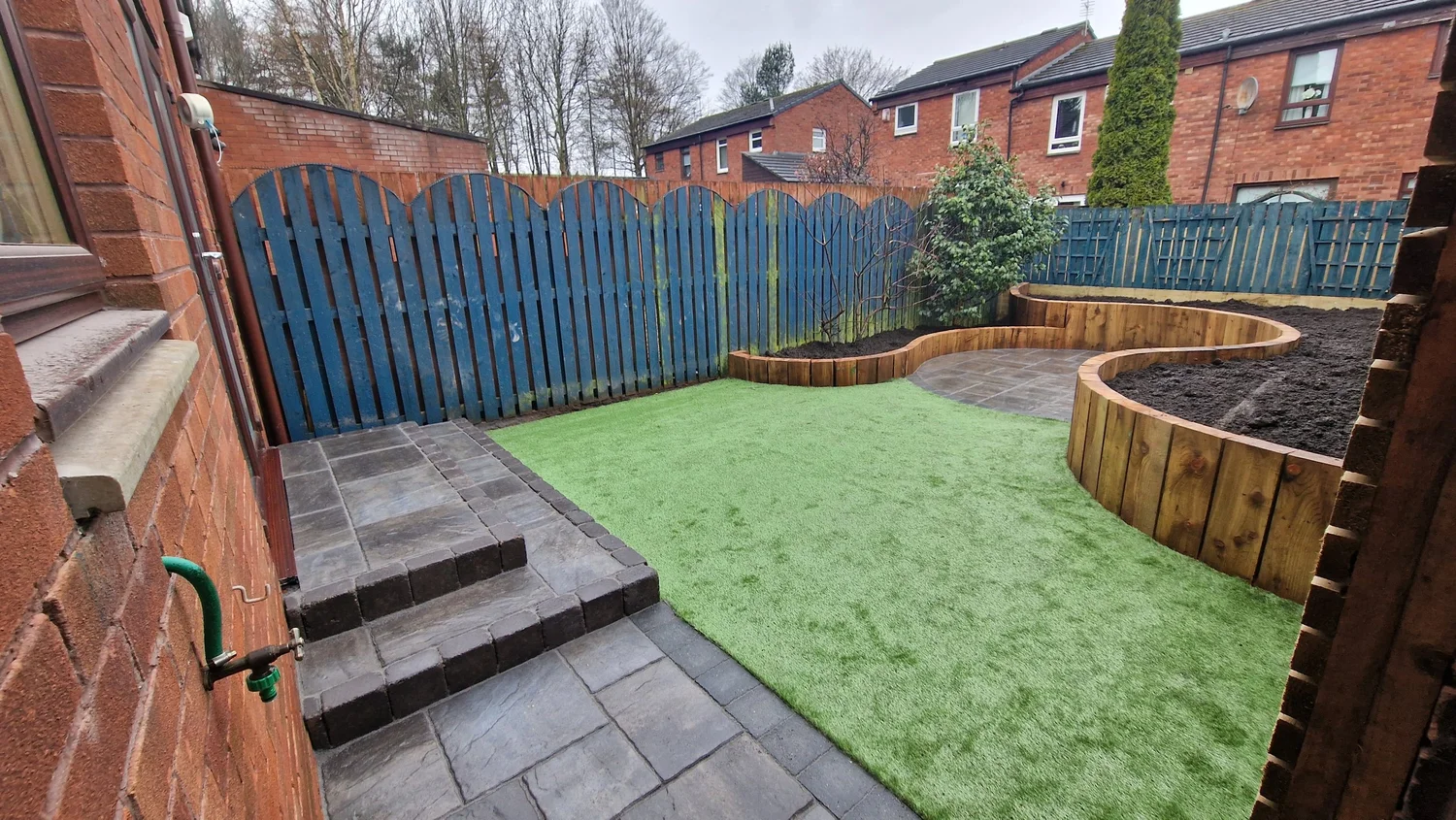
Timber is hygroscopic, meaning it absorbs and releases moisture according to the surrounding conditions. This causes ongoing movement, colour development and surface changes.
Natural greying, knots, grain variation, checks and slight seasonal movement do not normally indicate defective timber or workmanship.
Significant structural movement, widespread decay, exposed dangerous fixings or instability should be reported for inspection.
Only Use Sleepers for Their Intended Purpose
Sleeper Steps
Keep step surfaces clean and free from algae, frost and loose debris. Stop using a step that feels unstable.
Designed Seating
Sleeper seating can be used where it was designed for that purpose. Check accessible surfaces for splinters and projecting fixings.
Retaining Features
Do not stand, climb or allow children to play on raised retaining features unless they were specifically designed for access.
Excessive Pressure Can Damage the Timber
High pressure or working too close can raise the grain, deepen visible checks, bruise the timber and damage an existing decorative finish.
Routine brushing and a suitable timber cleaner should be attempted first. If pressure washing is appropriate, use a low setting, wide fan pattern and sensible working distance.
Keep the lance moving and avoid concentrating pressure into joints, fixings, checks or surrounding soil.
Before Applying Oil, Stain or Preservative
Landscape sleepers are normally preservative-treated during manufacture. Additional decorative treatments are optional and must be compatible with the timber.
Allow the Timber to Dry
New treated timber can contain additional moisture. Applying a finish too soon may cause poor absorption or an uneven appearance.
Use an Exterior Product
Select a breathable product specifically designed for pressure-treated landscape timber.
Prepare the Surface
Clean away algae, dirt and loose previous coatings and allow the timber to dry before application.
Do Not Modify Installed Sleepers Without Advice
Cutting or drilling pressure-treated timber can expose untreated internal surfaces and interfere with structural fixings.
Any approved cut end may require a suitable end-grain preservative. Do not alter raised beds, steps or retaining features without confirming that the change is structurally safe.
What to Avoid
Allowing wet leaves or debris to remain on exposed sleeper tops.
Raising soil above the designed level of a raised bed.
Blocking drainage routes around sleeper structures.
High-pressure washing close to the timber surface.
Wire brushes, metal scrapers or highly abrasive tools.
Cutting, drilling or altering structural fixings without advice.
Adding heavy loads or structures to raised beds.
Using unstable steps or climbing on retaining features.
Seasonal Timber Sleeper Checklist
Spring
- Clean winter dirt and algae
- Inspect joints and fixings
- Check raised bed movement
- Clear drainage routes
Summer
- Monitor drying and checking
- Keep sprinklers directed correctly
- Inspect the existing finish
- Clean soil from exposed surfaces
Autumn
- Remove fallen leaves
- Clear sleeper tops
- Check soil and mulch levels
- Prepare for wetter weather
Winter
- Avoid using icy steps
- Check after severe weather
- Monitor retaining features
- Keep drainage unobstructed
Maintenance Issue or Installation Concern?
Algae, fading, greying, knots, checks and minor seasonal timber movement are normally maintenance or natural-material matters. Significant bulging, continuing movement, loose structural components or instability should be reported for review.
Important: This guide provides general aftercare advice. Requirements vary between timber species, preservative treatments and the intended purpose of the sleeper structure. Follow the timber and treatment manufacturer’s instructions, test products discreetly and never mix cleaning chemicals. If you are unsure, contact Team Bespoke first.
← Return to the Aftercare & Advice Hub