
Planting Aftercare
Essential guidance for watering, feeding and caring for newly installed plants, shrubs, trees and garden borders while they establish.
Caring for Your New Planting
Newly installed plants, shrubs and trees require consistent care while their roots establish within the surrounding soil. Correct watering is particularly important during their first growing seasons.
Every plant has different requirements. Its location, soil, sunlight, rainfall, temperature and exposure will all influence the amount of care it needs.
The Essentials
Water Consistently
Newly planted borders, shrubs and trees require regular checks and thorough watering while their roots establish.
Check the Soil
Do not judge moisture from the surface alone. Check the soil around the root area before deciding whether more water is needed.
Control Weeds
Remove weeds early so they do not compete with new plants for water, nutrients, light and growing space.
Know Your Plants
Different species have different needs. Follow plant-specific instructions where they have been provided.
How to Water New Planting
Thorough watering around the roots is more useful than repeatedly wetting only the surface of the soil or surrounding foliage.
Check the Root Area
Feel beneath the surface close to the plant. The soil should be moist around the rootball rather than completely dry or saturated.
Water at the Base
Direct water slowly towards the soil around each plant instead of spraying mainly over the leaves.
Water Thoroughly
Apply water slowly enough to soak into the root zone without washing soil away or creating excessive surface runoff.
Check Coverage
Pay particular attention to plants beside walls, fences, trees and roof overhangs where natural rainfall may not reach the soil.
Respond to Conditions
Increase checks during warm, dry or windy weather and reduce watering when rainfall has adequately moistened the root area.
Continue After Year One
Shrubs and trees can take several growing seasons to establish and may still require additional watering during dry spells.
New Planting Requires Continuing Care
Unless a separate maintenance package has been agreed, watering and caring for newly installed plants becomes the client’s responsibility once the project is complete.
Plants can deteriorate quickly if they dry out, become waterlogged or are exposed to unsuitable conditions. Failure caused by insufficient or excessive watering, weather, animals, pests, disease or neglect is not an installation defect.
Helping Plants Establish
- Check soil moisture regularly during the growing season.
- Water the root area slowly and thoroughly during dry weather.
- Remove weeds before their roots become established.
- Keep mulch clear of plant stems and tree trunks.
- Check trees, stakes and ties after strong winds.
- Remove broken or clearly dead growth with clean tools.
- Protect vulnerable plants from pets and wildlife.
- Keep surrounding drainage routes clear.
What Your Plants May Be Telling You
Similar symptoms can have several causes. Check the soil and surrounding conditions before automatically adding water, feed or chemical treatments.
Wilting Leaves
Wilting may indicate dry soil, heat stress, damaged roots or excessive moisture. Check the root area before watering again.
Yellowing Leaves
Yellowing can result from seasonal change, watering conditions, nutrient stress, transplant shock or natural leaf replacement.
Brown Leaf Edges
Dry winds, frost, strong sunlight and inconsistent watering can all cause browning around leaf edges.
Leaf Drop
Some leaf loss can occur while a plant adjusts to its new position, particularly after planting or during changing weather.
Soft or Waterlogged Soil
Constantly saturated soil can deprive roots of oxygen. Stop adding unnecessary water and monitor how quickly the area drains.
Pests or Disease
Inspect affected leaves and stems closely. Use plant-specific advice before applying pesticides, fungicides or another treatment.
Care for the Complete Border
Mulch can help retain soil moisture, suppress weeds and protect the soil surface. However, it should not be piled directly against plant stems, shrub bases or tree trunks.
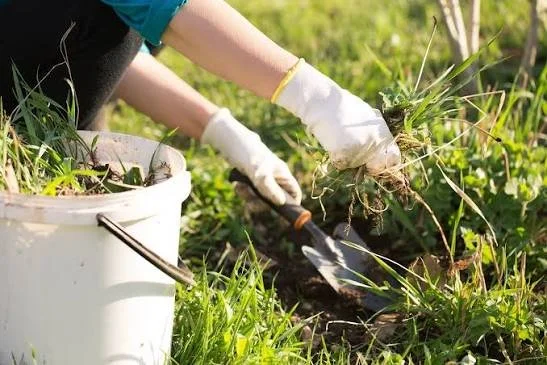
Remove young weeds carefully before they compete with new planting. Hand weeding is generally safest around recently installed plants.
Avoid deep digging or aggressive hoeing close to new plants, as their developing roots may sit near the soil surface.
Plants Naturally Change Throughout the Year
Plants respond to their environment and the changing seasons. Leaf drop, dormancy, temporary transplant stress, flower decline and differences in growth rate can all be natural.
Deciduous plants will lose their leaves, herbaceous plants may disappear below ground during winter, and some evergreen plants will naturally shed older foliage.
Not every plant will grow at the same rate or retain the exact shape and appearance it had when installed.
Checking Stakes and Tree Ties
Stakes and ties help stabilise newly planted trees while their roots establish, but they require periodic inspection.
Check After Strong Winds
Make sure the stake remains secure and the tree has not moved excessively within the surrounding soil.
Prevent the Tie Rubbing
Check that the tie is secure without cutting into the trunk. It may require adjustment as the tree grows.
Do Not Remove It Too Soon
Leave support in place until the root system is sufficiently established, following species-specific or installer advice.
Avoid Treating Every Plant the Same
Feeding and pruning requirements vary considerably between plants and should be based on the species, season and stage of establishment.
Feeding
Do not automatically feed new planting. Use a suitable product only where required and follow its application instructions carefully.
Pruning
Different plants require pruning at different times. Incorrect timing can remove flowers, damage new growth or weaken the plant.
Plant Identification
Confirm the plant’s identity before pruning, feeding or treating it. Seek advice if you are uncertain.
Allow Time Before Removing Damaged Growth
Frost, snow and cold winds can cause temporary leaf damage or dieback. Avoid immediately cutting every affected section back during freezing conditions.
Some damaged growth can provide temporary protection to the plant below. Wait until suitable spring conditions or follow plant-specific pruning advice before removing it.
What to Avoid
Allowing newly installed plants or rootballs to dry out.
Keeping the soil permanently saturated or waterlogged.
Watering only the leaves without soaking the root area.
Piling mulch directly against stems or tree trunks.
Applying feed, weedkiller or pesticides without checking suitability.
Pruning plants without identifying the species and correct season.
Using strimmers or lawnmowers close to tree trunks and stems.
Moving or replanting installed plants without seeking advice.
Seasonal Planting Checklist
Spring
- Check for new growth
- Remove established weeds
- Top up mulch if appropriate
- Begin regular moisture checks
Summer
- Monitor soil moisture closely
- Water deeply during dry spells
- Check for pests and disease
- Deadhead suitable plants
Autumn
- Remove fallen diseased foliage
- Continue watering if dry
- Check tree stakes and ties
- Prepare vulnerable plants
Winter
- Protect vulnerable plants
- Check for wind damage
- Avoid working frozen soil
- Monitor container moisture
Maintenance Issue or Installation Concern?
Seasonal change, transplant stress, pest damage, disease, weather damage and deterioration caused by watering or ongoing care are normally maintenance matters. If you believe there is a problem with the planting position, significant ground settlement or installed drainage, submit a report for review.
Important: This guide provides general aftercare advice. Requirements vary between plant species, locations, soils and weather conditions. Follow any plant-specific instructions provided and comply with current local water-use restrictions. If you are unsure, contact Team Bespoke before proceeding.
← Return to the Aftercare & Advice Hub