

New Turf Aftercare
Essential guidance for watering, mowing and protecting newly laid turf while it establishes and develops a healthy root system.
Caring for Your Newly Laid Turf
Newly laid turf is a living material and requires consistent care while its roots establish within the prepared soil below. Correct watering and careful early use are essential during this period.
Weather, temperature, rainfall, drainage and the time of year will all affect how quickly the lawn establishes. Check the turf regularly rather than relying on a fixed watering schedule.
The Essentials
Begin Watering Immediately
New turf should be watered as soon as it is installed so the grass and prepared soil beneath it become thoroughly moist.
Keep It Consistently Moist
The turf must not be allowed to dry out during establishment, but the ground should not become permanently saturated or waterlogged.
Limit Foot Traffic
Keep people, children, pets and furniture off the new lawn until the turf has rooted firmly into the soil.
Mow Carefully
Complete the first cut only once the turf has rooted and genuinely needs mowing, using sharp blades on a higher setting.
Your New Lawn’s First Four Weeks
Growth rates vary according to the season and weather. Use these stages as a guide and adjust watering according to the actual condition of the turf and the soil beneath it.
Water Thoroughly
Water the complete lawn immediately. The water must reach the soil beneath the turf rather than only wetting the grass blades.
Maintain Moisture
Check the lawn at least daily. Warm, sunny or windy conditions may require more frequent watering than cool or wet weather.
Encourage Deeper Roots
Once rooting is underway, gradually move towards deeper and less frequent watering while continuing to prevent the turf drying out.
Begin Normal Care
Once firmly rooted, the lawn can move towards routine mowing, seasonal feeding and watering according to weather conditions.
How to Water New Turf
The aim is to keep the turf and the prepared soil beneath it consistently moist without creating permanently boggy or waterlogged conditions.
Water From Day One
Begin watering immediately after installation and cover the entire lawn evenly, including corners and exposed edges.
Check Beneath the Turf
Carefully lift a corner in an accessible area. The soil underneath should feel moist rather than dry, dusty or saturated.
Cover the Complete Area
Move the sprinkler where necessary. Pay particular attention to corners, joins, slopes and edges beside warm paving or walls.
Water at Suitable Times
Early morning or evening watering generally reduces evaporation. Avoid unnecessary runoff onto patios, paths and roads.
Respond to the Weather
Increase checks during warm, sunny or windy weather and reduce watering when sufficient rainfall has kept the soil moist.
Reduce Gradually
As the roots establish, move towards deeper and less frequent watering rather than stopping suddenly.
New Turf Must Not Be Allowed to Dry Out
Unless a separate maintenance package has been agreed, watering and caring for newly laid turf becomes the client’s responsibility once the installation is complete.
Turf can deteriorate quickly if it is allowed to dry out, particularly during warm, sunny or windy weather. Insufficient watering, excessive watering, pet damage and premature use are not installation defects.
Always comply with any current water-use restrictions and check the latest guidance from your local water supplier.
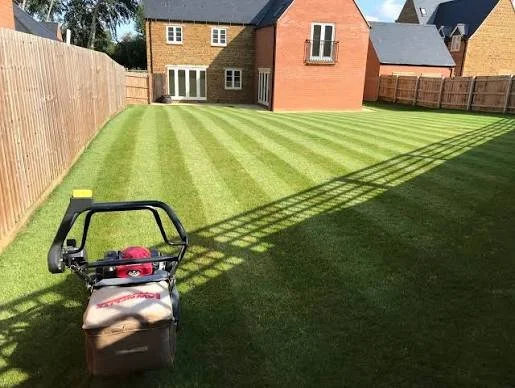
When to Mow Your New Lawn
Do not mow according to a fixed number of days. The turf should first have rooted into the soil and the grass should genuinely require cutting.
- Test rooting by gently trying to lift a corner of the turf.
- Wait if the turf lifts easily or moves beneath your feet.
- Make sure the mower blades are clean and sharp.
- Use a higher cutting setting for the first few cuts.
- Never remove more than approximately one-third of the height.
- Do not turn the mower sharply on the new lawn.
- Avoid mowing saturated, frosted or extremely dry turf.
- Gradually reduce the height over several future cuts.
What Your New Turf May Be Telling You
Check the lawn regularly during establishment. Acting early provides the best chance of correcting a watering or usage problem.
Dry or Curling Edges
Exposed edges can dry more quickly than the centre. Water them thoroughly and check that moisture is reaching the soil beneath.
Pale or Straw-Coloured Areas
Uneven colour may indicate dry areas or inconsistent sprinkler coverage. Check the soil moisture before applying more water.
Soft or Boggy Ground
Constantly saturated soil may indicate excessive watering or poor drainage. Reduce watering and seek advice if water remains present.
Visible Gaps Between Rolls
Gaps may develop if turf dries and contracts. Contact Team Bespoke promptly rather than pulling or stretching the turf.
Yellowing Grass
Yellowing can have several causes, including watering conditions, restricted airflow, nutrient stress or the turf settling after laying.
Fungal Growth
Mushrooms or fungal activity can occur in moist soil. Avoid overwatering and seek specialist advice if the turf is deteriorating.
Protect the Lawn While It Roots
Avoid unnecessary walking on newly laid turf. Pressure from feet, furniture, children’s toys and pets can create depressions or cause the rolls to move before their roots secure them.
Keep garden furniture, paddling pools, play equipment and other heavy items off the lawn during establishment. Do not repeatedly walk over the same route while watering.
Pet urine, digging and heavy play can scorch or disturb new turf. Restrict access where possible and rinse affected areas promptly with clean water.
Establishment Depends on Continuing Care
Turf is a natural, living product. Its appearance and establishment will be influenced by watering, temperature, rainfall, sunlight, drainage, foot traffic, pets, mowing and ongoing maintenance.
Some temporary colour variation or visible joins can occur while the turf settles and roots. Consistent watering and suitable mowing will normally help the individual rolls grow together into a unified lawn.
Turf, grass and other living materials are not covered for failure caused by their ongoing care requirements, weather, animals, misuse or other external conditions.
After the Turf Has Established
Once the turf has rooted securely, regular maintenance will help the lawn remain healthy, dense and better able to resist weeds and moss.
Regular Mowing
Mow according to growth rather than a rigid timetable. Keep the blades sharp and avoid removing too much height in one cut.
Seasonal Feeding
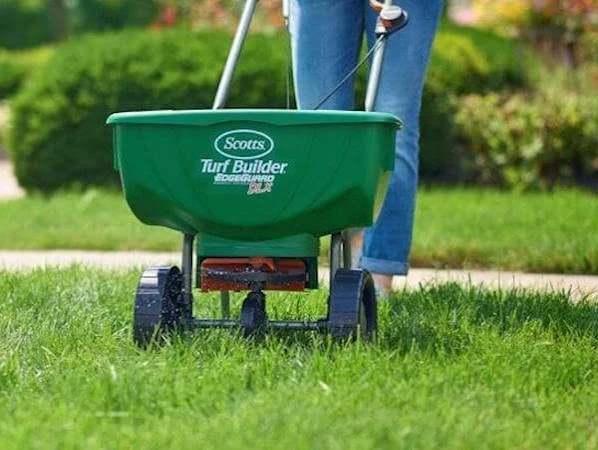
Use a suitable lawn feed for the season and grass type. Follow the manufacturer’s application and watering instructions carefully.
Aeration and Scarification
Established lawns may benefit from periodic aeration and removal of excessive thatch, but these should not be carried out on new turf.
What to Avoid
Allowing the turf or soil beneath it to dry out.
Keeping the soil permanently saturated or waterlogged.
Heavy foot traffic, playing or repeated pet use during establishment.
Placing furniture, pools or heavy equipment on new turf.
Mowing before the turf has rooted securely into the soil.
Cutting the grass too short during the first few mows.
Applying weedkiller, moss treatment or feed without checking suitability.
Scarifying or aggressively aerating a newly established lawn.
Seasonal Natural Lawn Checklist
Spring
- Resume mowing as growth begins
- Use a suitable seasonal feed
- Repair thin or damaged areas
- Monitor moss and compaction
Summer
- Monitor moisture carefully
- Mow slightly higher in dry weather
- Avoid unnecessary water runoff
- Limit wear during severe drought
Autumn
- Remove fallen leaves regularly
- Apply suitable autumn lawn care
- Aerate established lawns if needed
- Keep surrounding drainage clear
Winter
- Avoid walking on frozen grass
- Keep heavy objects off the lawn
- Remove leaves and fallen debris
- Mow only when conditions allow
Maintenance Issue or Installation Concern?
Drying, overwatering, pet damage, fungal activity, poor mowing and general lawn deterioration are normally care or maintenance matters. If the prepared ground is persistently holding water, settling significantly or you believe there may be an installation issue, submit a report for review.
Important: This guide provides general aftercare advice. Watering requirements vary according to the turf, soil, drainage, weather and time of year. Follow any instructions supplied with your turf and comply with current local water-use restrictions. If you are unsure, contact Team Bespoke before proceeding.
← Return to the Aftercare & Advice Hub