
Garden Wall Aftercare
Practical guidance for cleaning and maintaining garden walls, coping stones, rendered surfaces and mortar joints throughout the seasons.
Caring for Your Garden Walls
Garden walls are exposed to rainfall, frost, soil moisture, temperature changes and organic growth throughout the year.
Regular inspection, gentle cleaning and keeping coping stones, drainage points and wall bases clear will help maintain their appearance and performance.
The Essentials
Clean Gently
Use a method suitable for the specific brick, stone, render, mortar and coping material.
Keep Copings Clear
Remove leaves, soil and plant growth from the wall top so water can drain away as intended.
Protect Drainage
Do not block weep holes, drainage outlets or spaces designed to release water from behind retaining walls.
Monitor Movement
Report significant leaning, bulging, loose coping stones or cracks that continue to widen.
How to Clean a Garden Wall
Identify the wall material and finish before selecting a cleaner. Products suitable for brick may damage natural stone, render or mortar.
Inspect the Wall
Check for loose materials, unstable copings, damaged render or structural movement before cleaning.
Identify the Surface
Confirm whether the wall is brick, natural stone, concrete block, rendered masonry or another finish.
Remove Loose Debris
Brush away cobwebs, leaves, loose soil and surface debris using a soft non-metallic brush.
Use a Suitable Cleaner
Apply warm mildly soapy water or a specialist product confirmed as safe for the exact wall material.
Work Carefully
Brush gently without forcing water into mortar joints, cracks, vents or beneath coping stones.
Rinse Thoroughly
Rinse with clean water and prevent dirty runoff from collecting on paving, planting or neighbouring surfaces.
Do Not Ignore Significant Movement
Stop using or working beside a wall that is visibly leaning, bulging, unstable or shedding loose masonry.
Take clear photographs and report the concern promptly. Do not dismantle the wall, remove coping stones or fill significant cracks before Team Bespoke has had an opportunity to inspect it.
Keep children and pets away from any area that may present an immediate falling-material risk.
Protecting the Wall and Copings
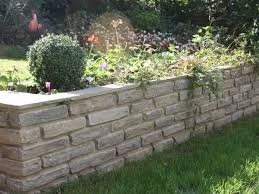
- Remove wet leaves and soil from coping stones.
- Keep drainage outlets and weep holes unobstructed.
- Do not raise soil or mulch above the designed level.
- Trim heavy vegetation that traps moisture against the wall.
- Avoid repeatedly directing sprinklers at rendered surfaces.
- Do not place heavy planters on coping stones.
- Keep barbecues and heat sources clear of painted render.
- Check copings and mortar after severe frost or storms.
Changes You May Notice
Exterior masonry naturally changes as it is exposed to rainfall, temperature, sunlight, airborne dirt and seasonal moisture.
Colour Variation
Brick, stone, concrete products and mortar can contain natural shade and texture differences.
Efflorescence
White mineral salts may appear as moisture moves through new masonry. This is often temporary and superficial.
Algae and Moss
Organic growth can develop on shaded or damp surfaces and requires periodic cleaning.
Water Marks
Rainfall and surface runoff can create temporary darkening or marks, particularly beneath coping joints.
Minor Hairline Cracks
Fine surface cracks can occur within some rendered or mortar finishes as materials cure and respond to temperature.
General Weathering
Exposed surfaces will gradually soften in colour and develop a more weathered appearance.
Do Not Alter the Designed Ground Levels
Retaining walls resist pressure from soil and water behind them. Their drainage and surrounding ground levels are therefore important parts of the complete construction.
Do not add significant amounts of soil, heavy structures or large plants behind a retaining wall without professional advice.
Never block visible drainage outlets or weep holes. Report significant bulging, leaning, continuing movement or water repeatedly discharging from an unexpected location.
White Marks May Be Efflorescence
Efflorescence occurs when naturally occurring salts are carried to the surface by moisture and remain visible after the water evaporates.
It can occur on brick, blockwork, mortar and other cement-based materials, particularly during their early weathering period. It does not normally affect structural performance.
Do not immediately apply brick acid or another strong chemical. Allow the surface to weather and obtain material-specific advice before treatment.
Inspect the Wall’s Exposed Details
Coping Stones
Keep copings clear and monitor loose units, open joints or continuing movement that could allow additional water into the wall.
Mortar Joints
Inspect for localised weathering and report widespread failure or mortar that repeatedly becomes loose.
Rendered Surfaces
Monitor cracks, hollow areas, flaking coatings and staining. Do not fill cracks before their cause has been considered.
High Pressure Can Damage Walls and Joints
Concentrated pressure can erode mortar, mark brick and stone, damage render and force water behind surface finishes.
Gentle brushing and a suitable cleaner should be attempted first. If pressure washing is appropriate for the specific wall material, use a low setting, wide fan pattern and sensible distance.
Never direct concentrated pressure into joints, cracks, vents, wall edges or beneath coping stones.
Use Compatible Exterior Products
Allow Proper Curing
New render and repairs require sufficient curing and drying time before a decorative coating is applied.
Use Masonry Paint
Use a breathable exterior masonry product compatible with the render system and any existing coating.
Prepare the Surface
Do not paint over algae, dirt, active staining, moisture or loose previous coatings.
What to Avoid
Brick acid or harsh cleaners without confirming compatibility.
High-pressure washing directly against mortar or render.
Blocking weep holes, channels or drainage outlets.
Raising soil or mulch above the designed wall level.
Placing heavy planters or structures on coping stones.
Drilling or attaching heavy items without professional advice.
Filling significant cracks before the cause is inspected.
Climbing or sitting on walls not designed for that purpose.
Seasonal Garden Wall Checklist
Spring
- Inspect after winter weather
- Clean organic growth
- Check copings and joints
- Clear drainage outlets
Summer
- Monitor dry-weather cracking
- Keep sprinklers directed away
- Trim obstructing vegetation
- Inspect painted finishes
Autumn
- Remove fallen leaves
- Clear coping stones
- Check surrounding soil levels
- Prepare drainage for winter
Winter
- Monitor frost damage
- Check after severe storms
- Avoid working frozen masonry
- Keep drainage unobstructed
Maintenance Issue or Installation Concern?
Algae, staining, efflorescence, weathering and minor surface variation are normally maintenance or material matters. Significant leaning, bulging, loose coping stones, widespread mortar failure or cracks that continue to widen should be reported for review.
Important: This guide provides general aftercare advice. Cleaning and maintenance requirements vary between brick, stone, concrete, render, mortar and decorative coatings. Always follow the relevant manufacturer’s instructions, test products discreetly and never mix cleaning chemicals. If you are unsure, contact Team Bespoke first.
← Return to the Aftercare & Advice Hub